







Search Results for: and Dark Roasts

Freshly Roasted Coffee Brand Recommendations: Choose the Right Beans for You by Roast Level
Light-roasted beans often keep the character of their origin and variety in the cup; on the palate you may find citrus, berries, or floral notes, and they drink light and bright, making them suitable for the morning, the afternoon, and moments when you want to focus on the aroma. Medium-roasted beans have steadier sweetness and softer acidity, while dark-roasted beans carry more pronounced roasted, cocoa, and nutty notes. According to the roasting [more…]
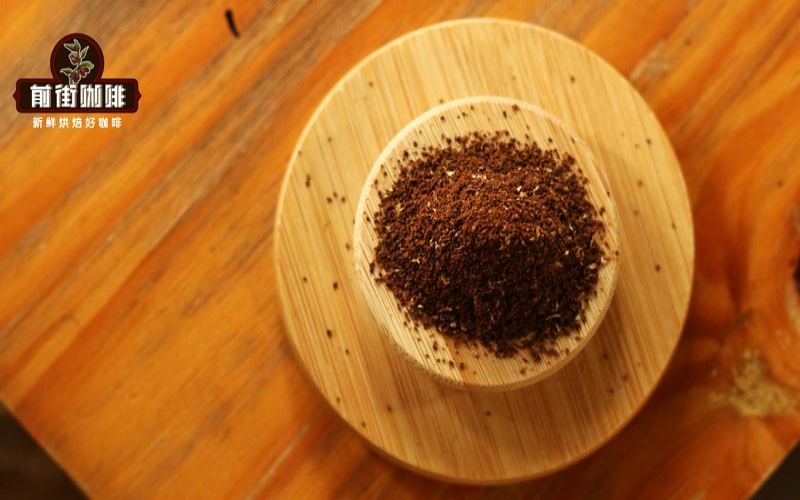
A Pour-Over Roast Map: How to Drink from Light to Dark Roasts
Even with the same hand-brewed coffee beans, different roast colors shift where the flavor lands on the palate. Light roasts tend to preserve the floral and fruity notes of the origin, medium roasts often bridge acidity, sweetness, aroma, and mouthfeel, while dark roasts develop cocoa, nutty, and roasted notes. First understand this line of change, then compare it with your own drinking habits and choose [more…]

How to Choose Latte Beans by Roast Level: Milk Coffee Performance of Light, Medium, and Dark Roasts
Latte doesn't have to be made with dark roast coffee beans. Once milk is added, the acidity and aroma of the coffee become softer, while the sweetness and smoothness become more pronounced, so different roast levels can all produce milk coffees with distinct personalities. When choosing, you can first imagine whether you want to taste fruity notes, caramel, or a rich flavor like dark chocolate. Roasting [more…]

Cold brew and ice drip bean selection: light, medium, and dark roasts each have their own delicious methods
Both cold brew and ice drip extract coffee flavors at low temperatures and slowly, making the roast level an important clue for judging the cup. Light-roasted beans tend to retain vivid fruity notes, medium-roasted beans show more sweetness and smoothness, while dark-roasted beans bring cocoa, nutty notes, and a deep, steady body. First decide whether you prefer something refreshing or rich, then choose from [more…]

Commercial Coffee Bean Recommendations: The Brewing Logic from Light to Dark Roasts
The roast level of commercial coffee beans directly influences a cup's aroma profile, mouthfeel weight, and suitable drinks. Light roasts tend to preserve floral and fruity notes, medium roasts commonly show nutty, caramel, and soft sweetness, while dark roasts push cocoa, roast, and heaviness to the forefront. When selecting beans for a shop or home, filtering along these lines is better than simply [more…]

Light, Medium, and Dark Roasts: How to Choose for an SOE Latte
SOE can certainly make a delicious latte, and its appeal isn't just in the words "single origin." Once the espresso is mixed with milk, the roast level directly shapes the character of the whole cup: light roasts are livelier, medium roasts are more balanced, and dark roasts are richer. To find a combination that suits your taste, you can start with your preferred roast. [more…]

Understanding Coffee Bean Roast Levels and Flavor Differences at a Glance
The roast level of coffee beans determines what appears first on the palate and also shapes the direction of aroma, acidity, sweetness, body, and finish. If you enjoy bright fruity notes, look to light roasts; if you want rounded sweetness and broader appeal, medium roasts are easier to match; if you prefer rich depth, explore medium-dark and dark roasts. According to this [more…]

Light roasts emphasize flavor complexity—so where does the appeal of dark roasted coffee lie? Exploring the principles behind the formation of coffee's bitterness
Light roasts are known for their floral aromas, fruity acidity, and rich layers, while dark roasts are often simply dismissed as a cup of bitter water. However, bitterness is not all there is to dark roasts—caramel, nutty, chocolate-like steady aromas, and a thick, smooth, full-bodied mouthfeel are also qualities that light roasts find hard to replicate. Where exactly does coffee's bitterness come from? How does the "first crack" during roasting determine the direction of acidity and bitterness? This article will sort out the relationship between roast level and flavor from the ground up, analyze the unique charm of dark roasted coffee, and explain why some bean varieties actually need dark roasting to make the most of their strengths and avoid their weaknesses. If you are also curious about the value of bitter coffee, read on. [more…]

How to Choose Between Light, Medium, and Dark Roasts for a Moka Pot
Coffee brewed with a moka pot is usually more concentrated than pour-over and feels heavier on the palate, so the roast level directly shapes the character of the cup. Light roasts tend toward bright, fresh aromatics; medium roasts strike a balance between sweetness and body; dark roasts more readily show cocoa, nut, and roasted notes. First, consider what you expect from your [more…]

From the Bitter Notes of Dark Roasts to the Fruity Acidity of Light Roasts: The Evolutionary History of Coffee Flavor Behind Geisha and Mandheling
These days, when you walk into a hand-brew coffee shop with a good reputation and order a single-origin coffee on a whim, chances are you'll get something with fruity acidity. Many people can't help but wonder: isn't coffee supposed to be bitter? This shift from bitter to sour didn't happen overnight—it was driven by a combination of factors including growing origins, roasting philosophy, brewing methods, and evolving consumer taste preferences. This article will trace the evolution of coffee roasting from dark to light, explore how classic beans like Blue Mountain, Geisha, and Mandheling perform at different roast levels, and answer an intriguing question: what exactly do a light-roasted Blue Mountain and a dark-roasted Geisha taste like? [more…]
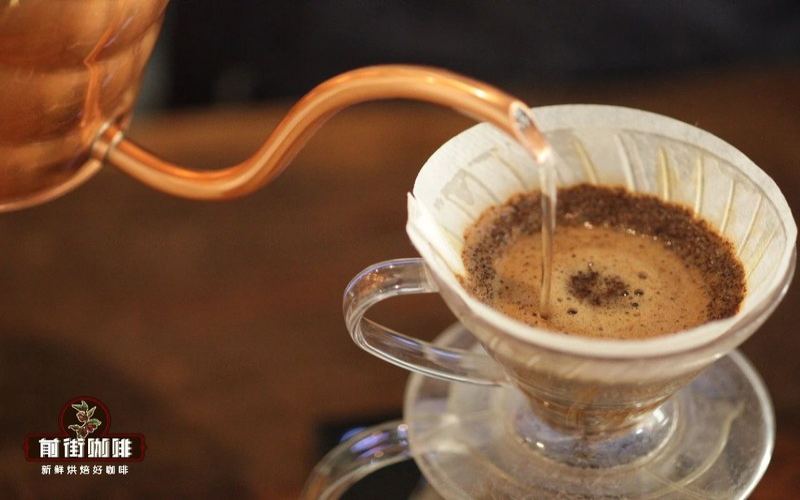
Light, Medium, and Dark Roasts: How to Choose the Right Flavor for Pour-Over Beans
The roast level of pour-over coffee beans determines where the aroma comes from, and also affects the acidity, sweetness, body, and aftertaste on the palate. Light roasts more easily preserve the characteristics of the origin and variety, medium roasts strike a balance between brightness and sweetness, while dark roasts push the flavor toward caramel, cocoa, and a roasted feel. Understanding this path of change first will help you when choosing beans. [more…]

Choosing Beans for a Moka Pot by Roast Level: How to Brew Light, Medium, and Dark Roasts
Coffee brewed in a moka pot is quite concentrated, and as hot water passes through the coffee bed it also brings out a pronounced roasted note, so the roast level directly shapes the first impression on the palate. Light, medium, and dark roasts are not simply a ranking of intensity but three different flavor focal points: light roasts lean toward aroma and sweet-tart brightness, medium roasts emphasize balance, and dark roasts highlight richness and [more…]

Nutty and Cocoa Flavors: How Drinking Methods Differ Across Light, Medium, and Dark Roasts
If you want to drink coffee with notes of nuts, cocoa, and caramel, the roast level is a very practical starting point. Light-roast beans tend to retain more of their origin character, and nutty and cocoa notes may be hidden behind the sweet aroma; medium roast more easily brings nutty aromas, chocolate notes, and sweetness together in the same cup; dark roast pushes the flavor toward roastiness, dark chocolate, and a full [more…]
How to choose espresso beans by roast level
Even with the same espresso, light-roast beans can produce bright fruity notes, medium roasts are more likely to deliver caramel-like sweetness, and dark roasts bring cocoa, nuts, and a fuller body. When choosing beans, look at the roast level first, then picture how they will taste as espresso, americano, or milk coffee—this is usually more reliable for finding a match than focusing only on the region name. [more…]

How to Choose Budget Everyday Beans: Daily Options for Light, Medium, and Dark Roasts
When choosing everyday beans on a budget of around a hundred yuan, the roast level is a very practical starting point. It affects the aroma profile, the balance of acidity and sweetness, the body, and how much extraction effort is needed during brewing. If you like bright fruity notes, look to light roasts; if you prefer a sweet, balanced cup, medium roasts are easier to get along with; if you're used to a strong [more…]

A Complete Guide to Coffee Roast Levels: Flavor Differences and Healthy Choices for Light, Medium, and Dark Roasts
Raw coffee beans can only release those thousand-plus aromatic compounds and become a fine brew in the cup after roasting. During heating, substances such as sugars and lipids undergo Maillard reactions and caramelization, while the coffee bean fibers gradually carbonize, ultimately approaching a charcoal-like state. Based on the degree of carbonization and surface color, the industry classifies roast levels into three major categories: light, medium, and dark. Under different roast levels, the amount of precursor aromatic substances retained in coffee beans and the degree of fiber caramelization differ, resulting in distinctly different acid-bitterness balance and regional flavors. Light roasts are bright with acidity and aroma, medium roasts are balanced with nutty and creamy notes, and dark roasts are full-bodied with interwoven bitterness and sweetness. Starting from the principles of chemical reactions, this article will break down the flavor characteristics of the three roast levels one by one, recommend representative Front Street specialty coffee beans for each roast level, and also discuss which roast level is more in line with health considerations, providing a reference for coffee lovers' daily purchasing decisions. [more…]
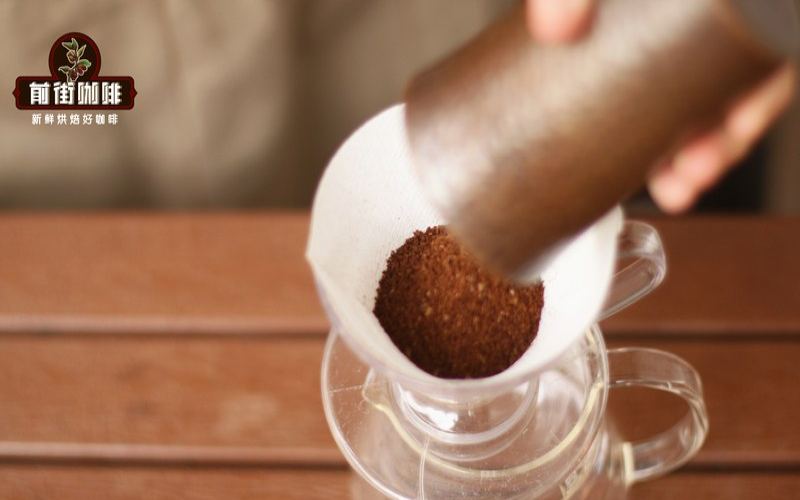
From Degassing to Opening and Consumption: A Flavor-Window Rhythm Guide for Italian-Style Dark and Medium-Dark Roasts
After coffee beans are roasted, they continuously release a large amount of carbon dioxide internally. Due to differences in the degree of heat exposure, dark roasts and medium-dark roasts naturally differ in their internal pore structure and degassing rate. This physiological change directly determines the crema condition during espresso extraction, and also defines the time window during which flavor development reaches a balanced state. [more…]
Choosing fruity coffee beans by roast level: how to choose between light, medium, and dark roasts
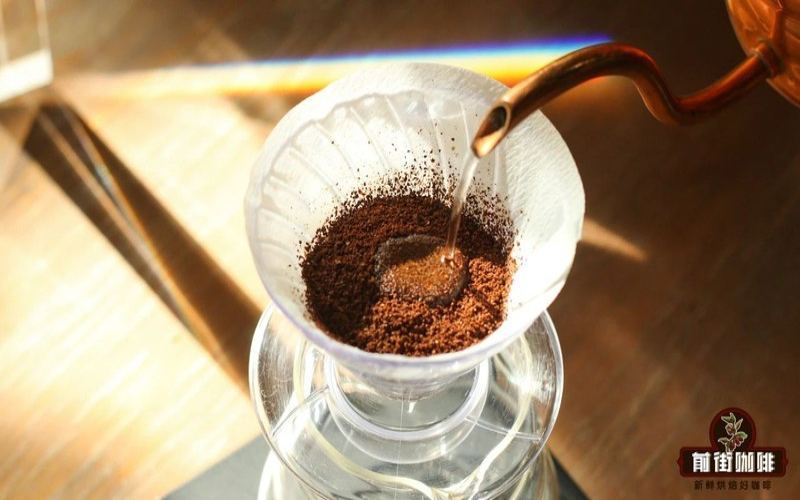
Fruity coffee beans aren't just about "tasting as sour as fruit"—they can also present floral aromas, a jam-like quality, juice-like body, or a delicate sweetness reminiscent of black tea. The roast level determines where these notes sit in the cup: roast light, and the fruity aromas move to the forefront; roast dark, and the fruity character blends into caramel, cocoa, and roasted notes, while the mouthfeel becomes more [more…]

Light, Medium, and Dark Roasts for Pour-Over Coffee | What Are the Flavor Characteristics of Coffee Beans at Different Roast Levels? Do Light, Medium, and Dark Roasts Taste Very Different in Pour-Over Coffee?
For more specialty coffee knowledge, please follow: Front Street Coffee (Frontsteet Coffee) The roast level of coffee beans determines the direction of the coffee's flavor. Many coffee shops label the roast level on the coffee beans they sell, such as light roast, medium roast, cinnamon roast, etc., which makes it easy for beginners [more…]

The roast level in a moka pot determines where this bean is headed
Coffee brewed with a moka pot is usually stronger than pour-over, with more concentrated aroma and mouthfeel, so the roast level directly affects how it tastes. Light-roasted beans may show bright fruit acidity, medium-roasted beans are more likely to deliver sweetness and a rounded body, while medium-dark to dark roasts push cocoa, nut, and roasted notes to the forefront. When choosing beans, you can [more…]